Customer research
Jobs-to-be-done interviews, on-site visits, and customer case studies that fed Geckoboard's positioning, messaging, product understanding, SEO, and sales collateral.
Customer research, JTBD interviews, Messaging, Case studies
Geckoboard
2015–2025
Work
Context / Problem
Geckoboard was a deeply customer-focused company, which meant product marketing could stay unusually close to the people using the product. For my work, the challenge was to understand not just what customers liked, but what job they were trying to get done, how they discovered Geckoboard, what alternatives they considered, and what changed once dashboards were visible in their teams.
What I did
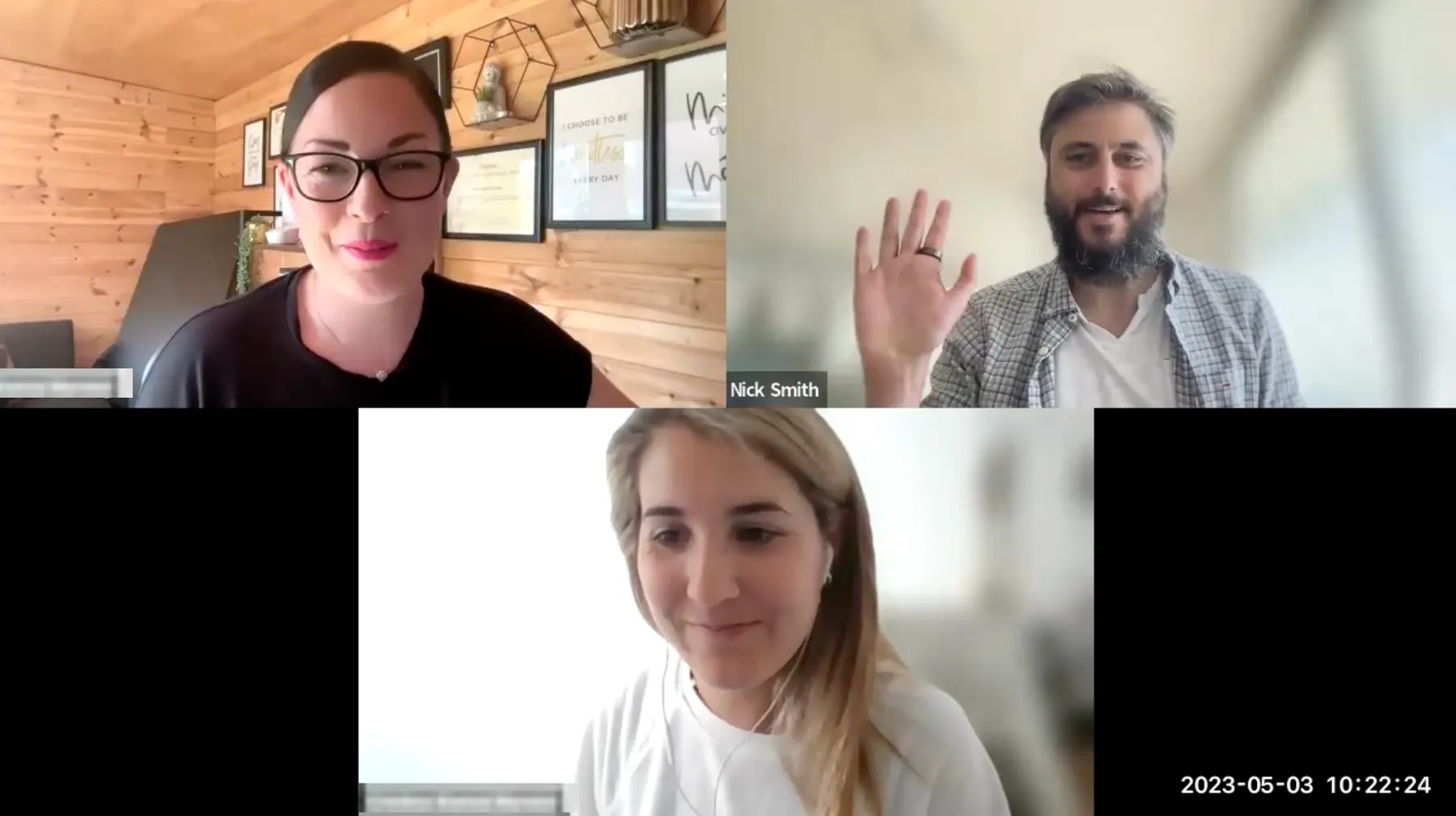
I regularly ran jobs-to-be-done interviews with customers, and sometimes non-customers, to unpack the full journey: the trigger, the search for a solution, the language they used to describe the problem, the decision process, and the outcome they were hoping for. Over the years, I have done hundreds of these interviews. I shared notes and customer language with product and marketing, often with product teammates joining the calls. In some cases, those conversations became filmed case studies or written customer stories with our customer marketing manager.
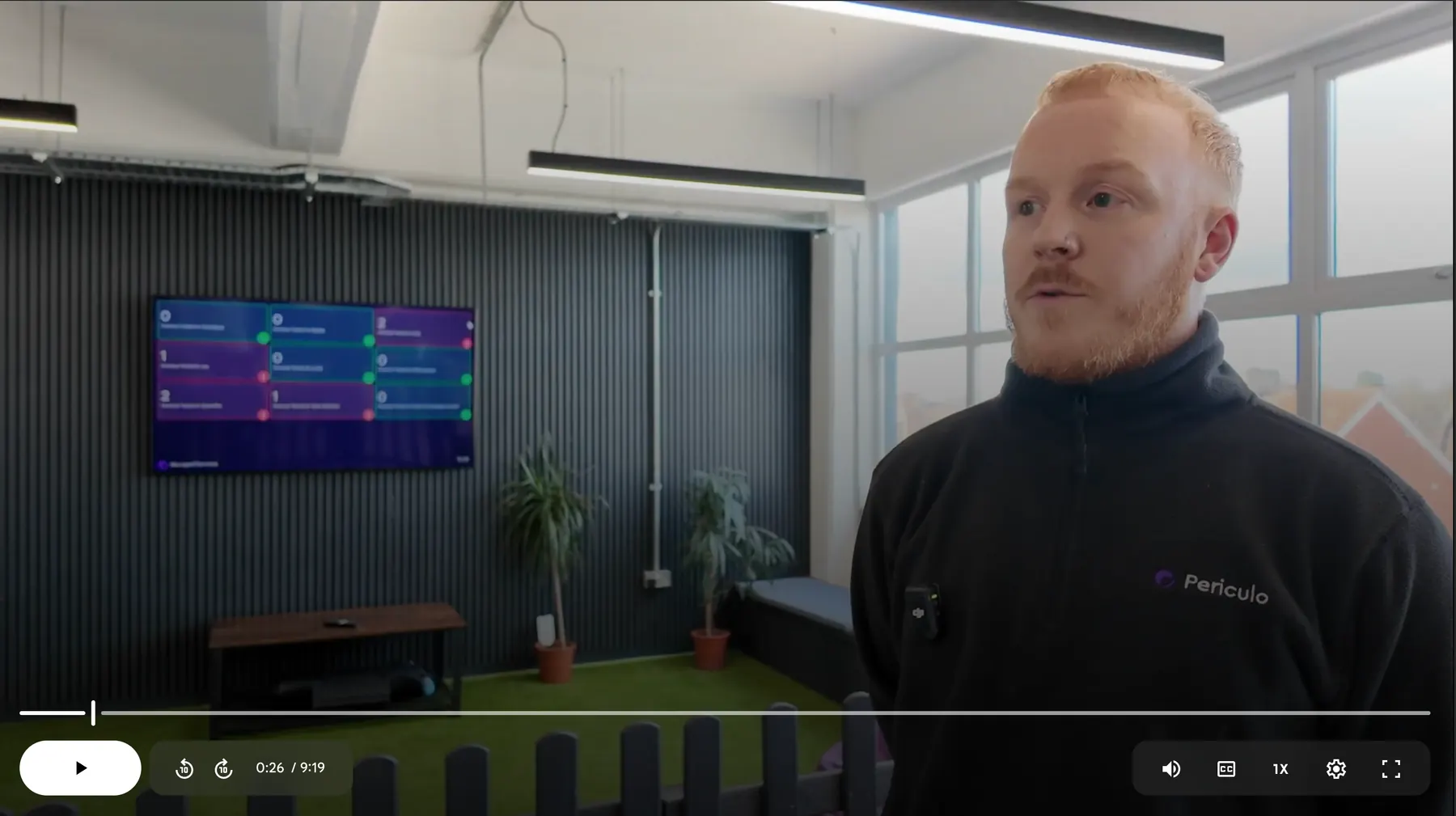
I was also lucky enough to visit customers on site across the US and UK. Geckoboard is software, but its successful deployment is normally a TV in an office, warehouse, support floor, or team space. Seeing it in situ at some very interesting companies made the product's value, and the habits around it, much more tangible.
Outcome
The research shaped a wide range of work: positioning, messaging, SEO strategy, website copy, sales collateral, dashboard examples, and case studies. On-site visits were especially valuable because Geckoboard's best deployment was physical as well as digital: dashboards on TVs in offices, warehouses, support floors, and team spaces. Seeing the product in context made the value far more concrete.
Reflection
Customer research was useful because it stopped the work drifting into abstraction. The best language usually came from customers themselves, and the clearest product insights came from seeing where dashboards lived, who looked at them, and what changed in the team once the data was visible.